pattern + repetition
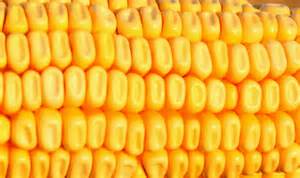
example of repetition +/or pattern from nature
|
The following is a kindergarten art lesson on pattern + repetition. Kindergarten students create their own, individual work of art using strips of construction in assorted colors , sizes, + widths. Students will enjoy cutting + glueing.
Scroll down to find;
|
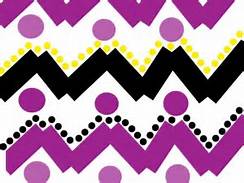
geometric shapes make pattern/repetition
|
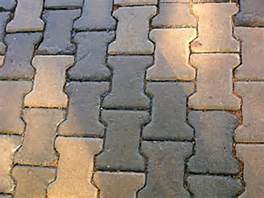
tiles make patterns - tiles are example of repetition
|
pattern step-by-step instruction
Follow these images to create creative, visual pattern + repetition. Any colors can be used + the widths of the strips may vary. Always leave room for 'artists' to add self expression to their piece.
1. start with 9"x12" pink paper
|
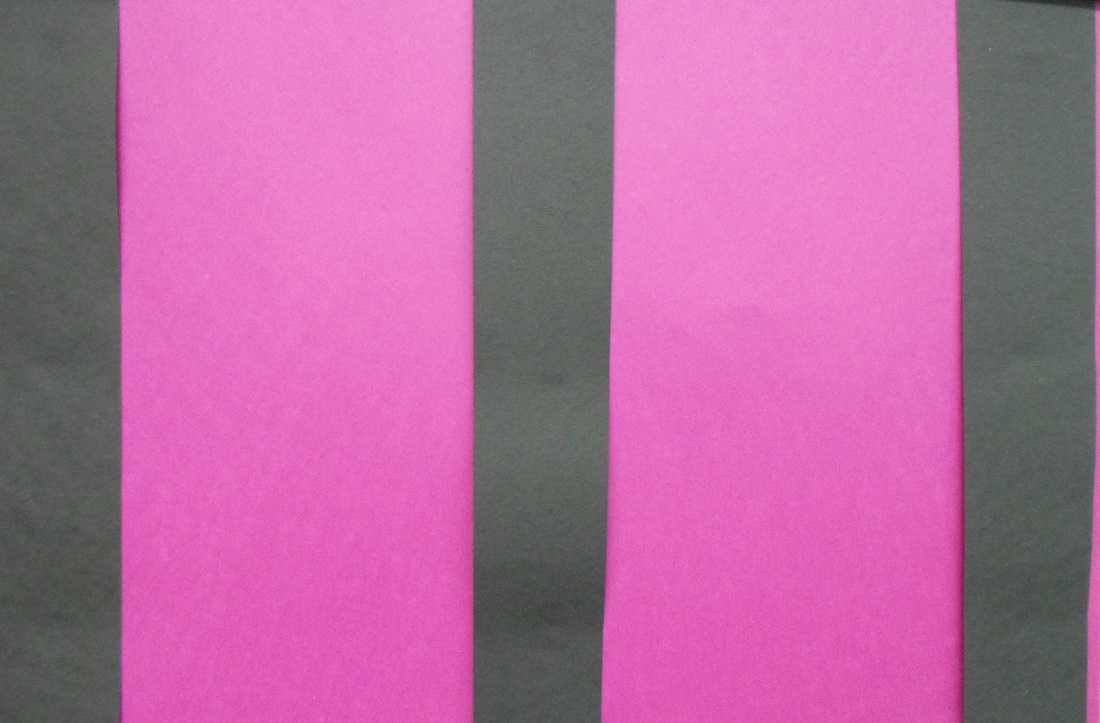
2. glue 3 thin black strips vertically, evenly spaced on pink background
|
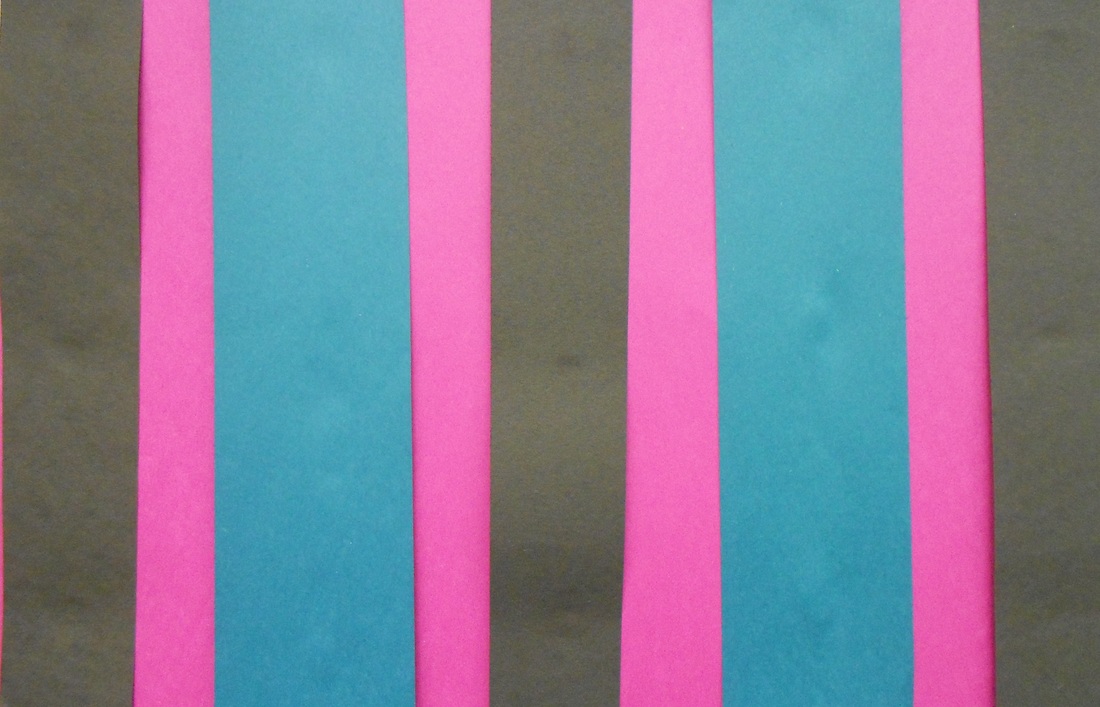
3. glue 2 wide blue strips vertically, evenly spaced between black strips
|
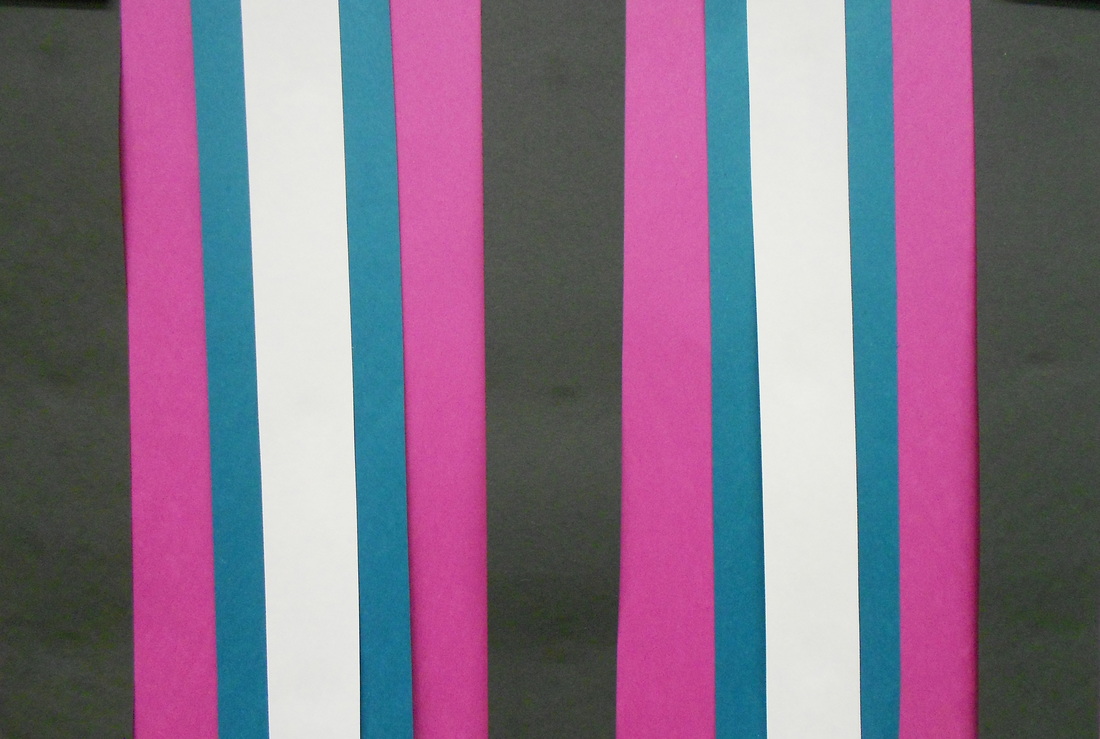
4. glue 2, medium width, white strips, centered, on top or over blue strips
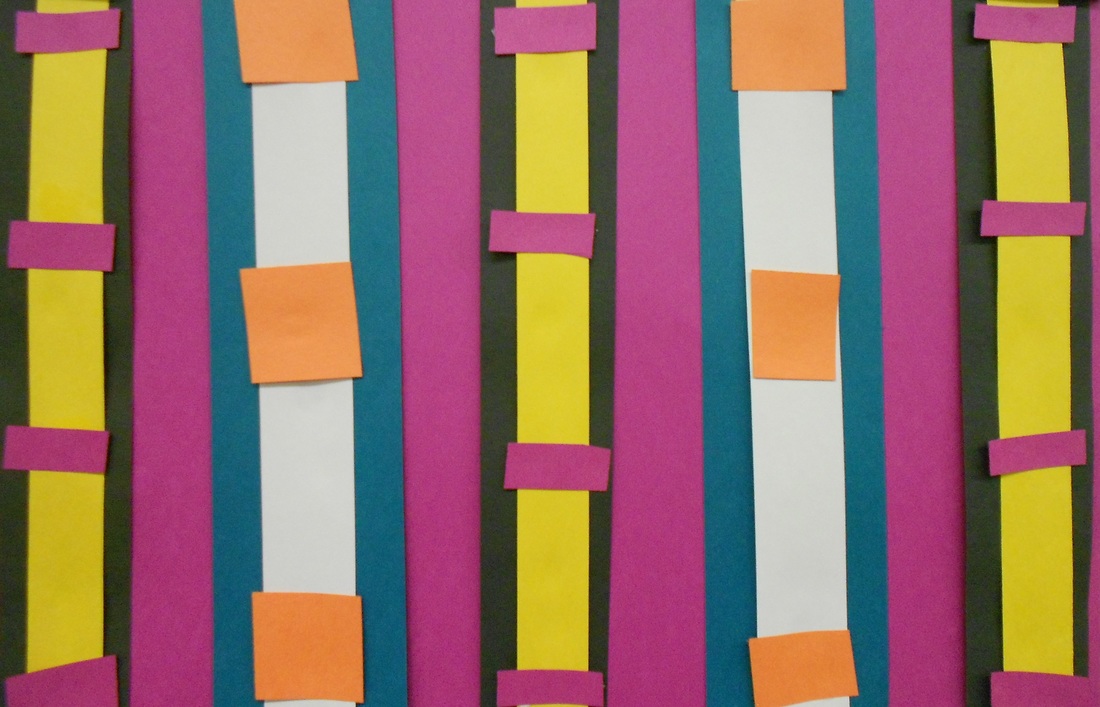
7. cut 12 thin pink rectangles from pink strips - evenly spaced - top, bottom + center
|
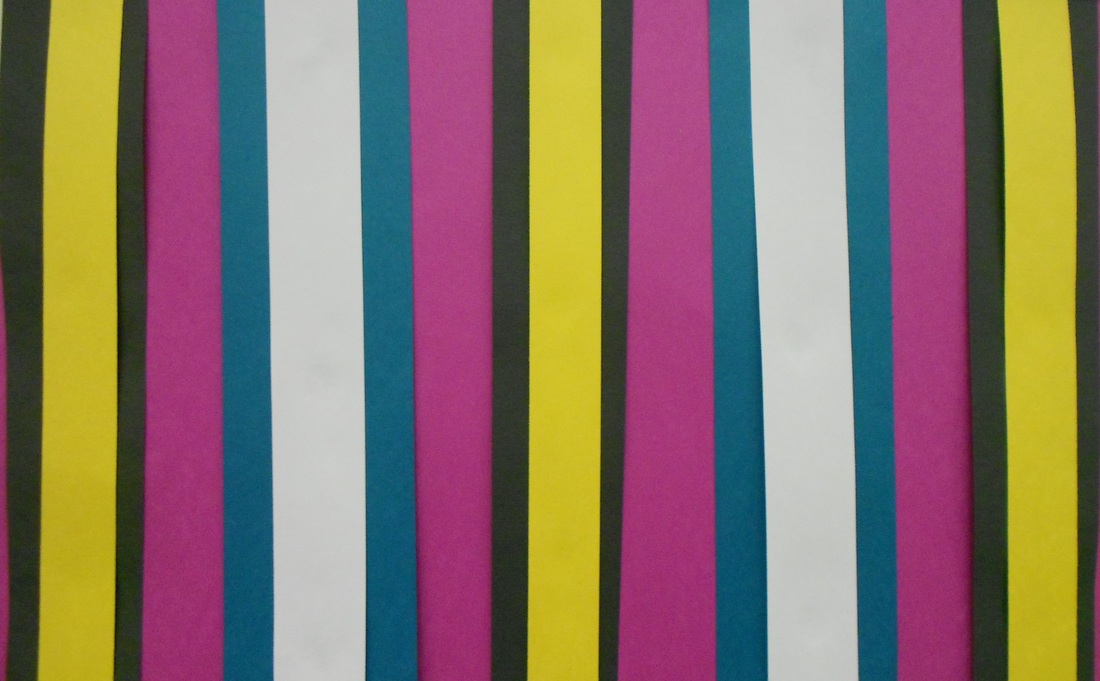
5. glue 3 yellow strips over the 3 black strips - center the yellow strips on the black
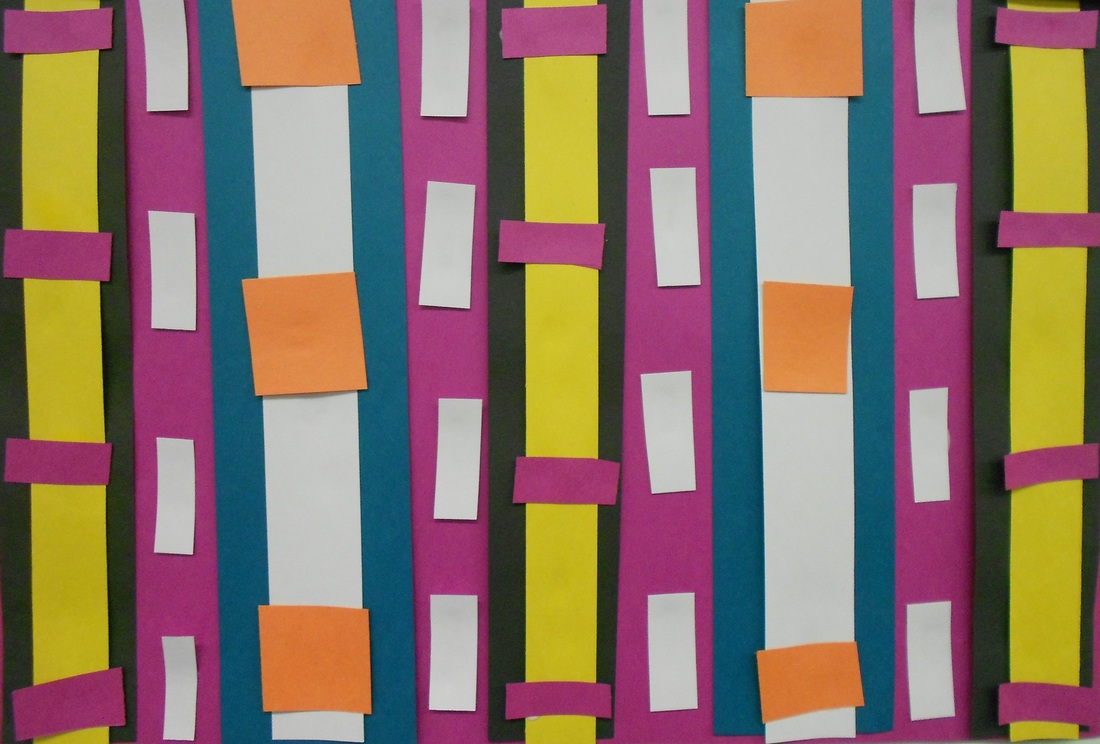
8. cut 16 thin white rectangles from white strips - glue, evenly spaced on the pink
|
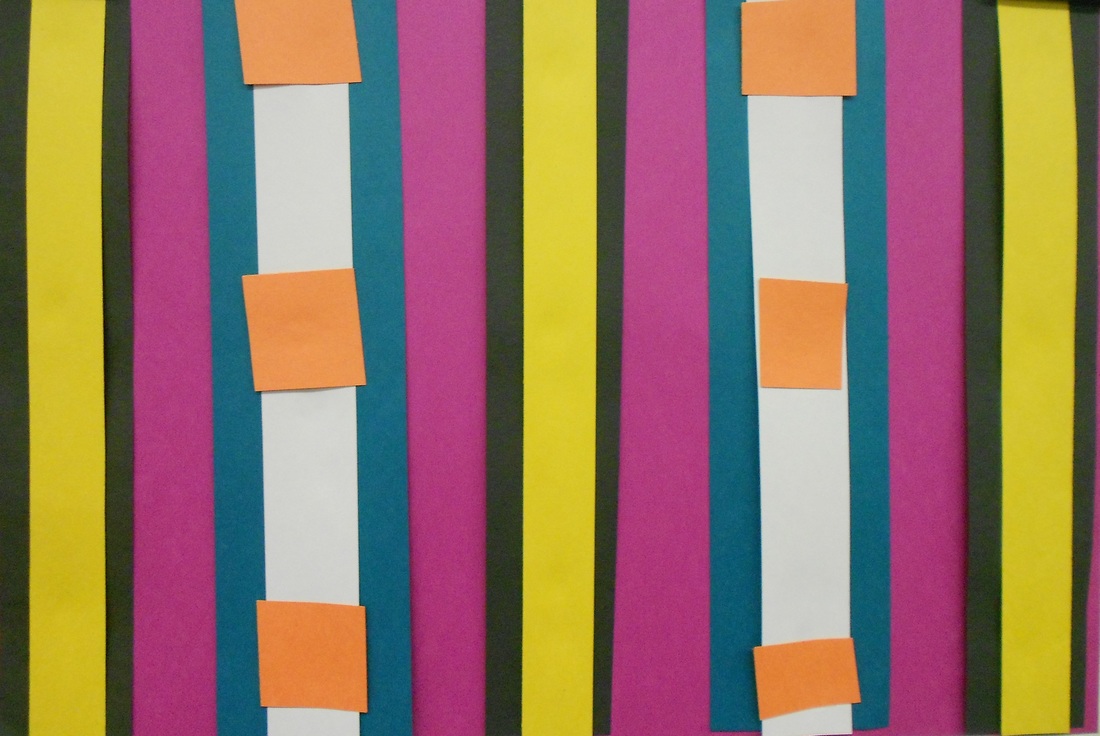
6. cut 6 orange squares from strips of orange - glue them evenly space over the 2 white strips
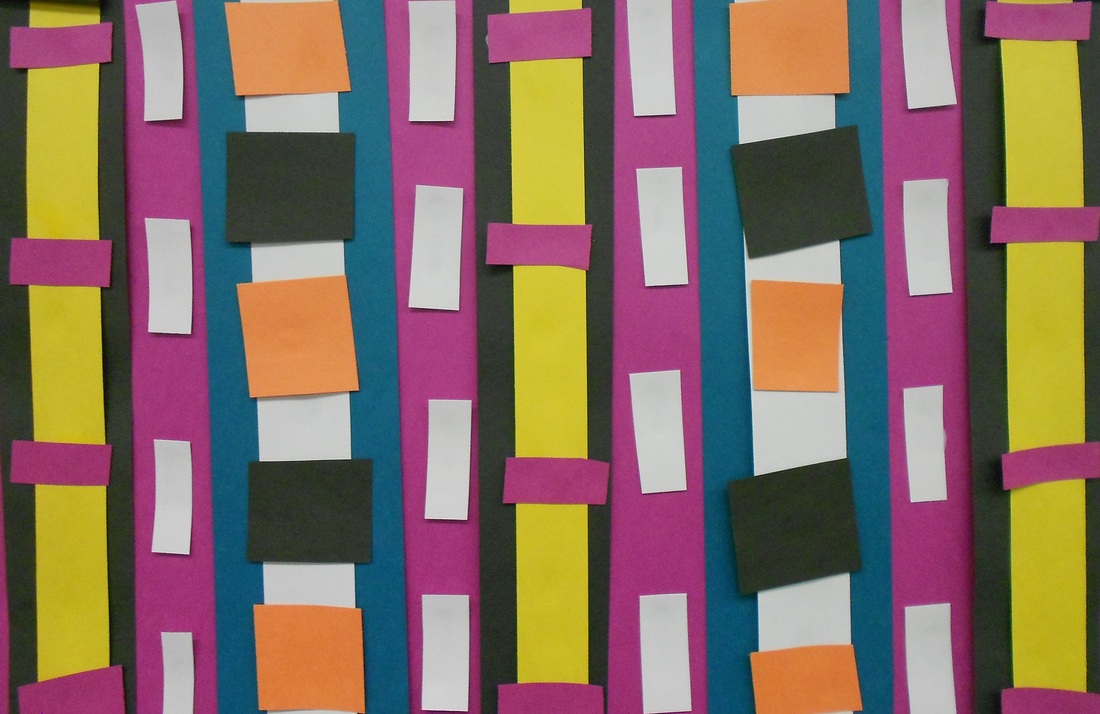
9. cut black squares from existing black strips - glue in-between orange squares on top of white
|
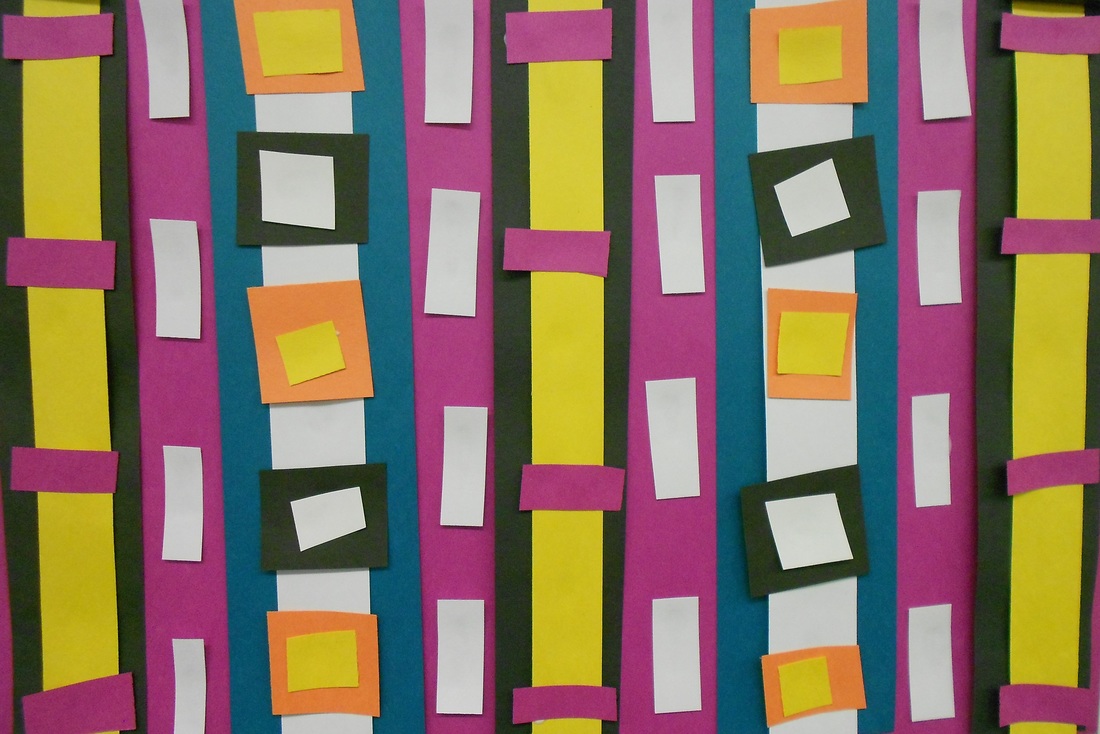
10. cut small yellow squares + glue on orange squares - next cut small white sq. + glue on black sq.
|
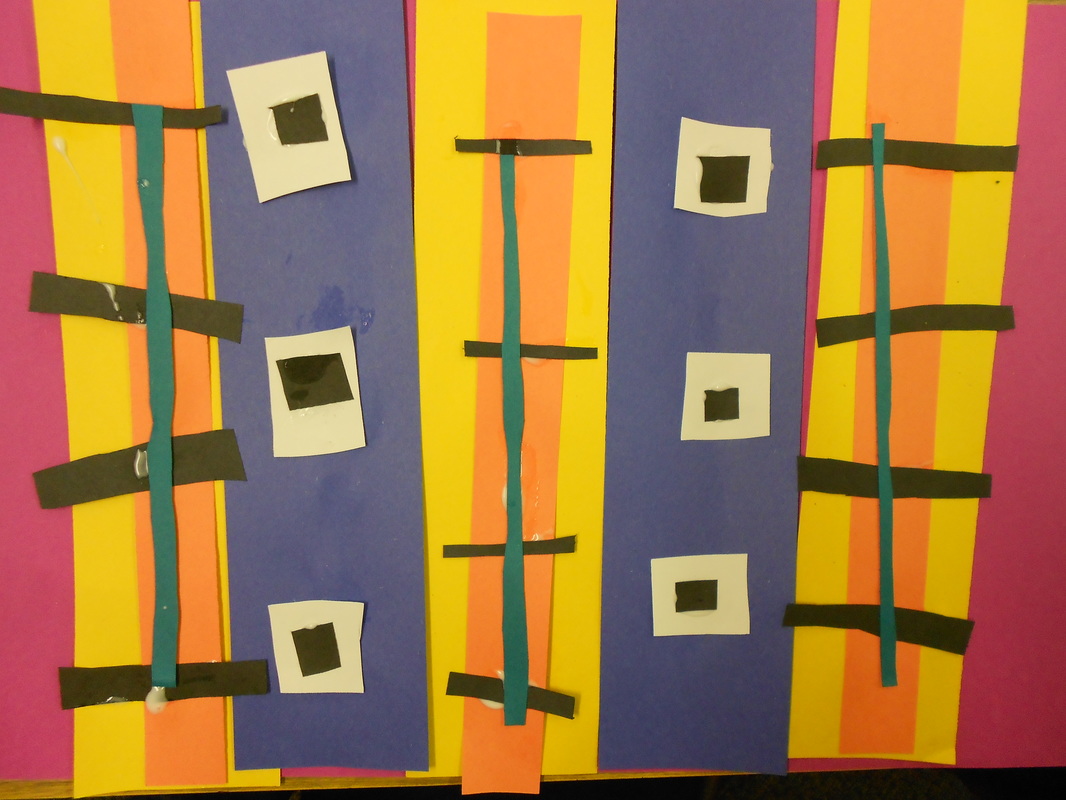
11. alternate version of colors + details
|
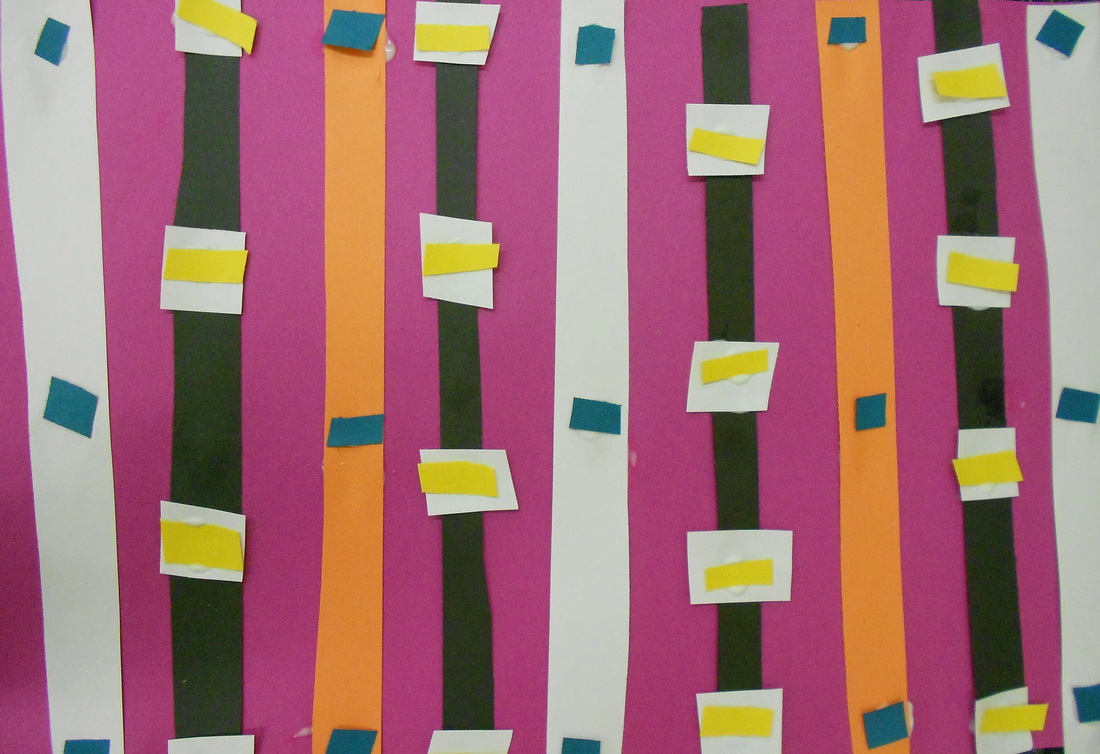
12. alternate version version
|
pattern + repetition lesson plan
objective
Students will be able to use scissors + glue properly. Students will have working knowledge of pattern and repetition definitions + meanings.
materials
- strips of construction paper - assorted colors + widths
- pre-cut 11" strips of various colors invidious widths
- scissors
- liquid glue
- base construction paper, choose color, 11"x18"
- pre-cut 11" strips of various colors invidious widths
- scissors
- liquid glue
- base construction paper, choose color, 11"x18"
activity
NOTE: Paper colors + the number of colors used for project may vary.
- Show students examples of repetition + pattern.
- See examples shown above.
- Review proper use os scissors to kindergarten students before starting lesson.
- Demonstrate to students how to cut a square or smaller shape from existing strips of construction paper.
- Explain + demonstrate in-between, vertically, evenly spaced, over or on top, middle, + sides mean to students.
- Follow simple step-by-step instructions.
- Always demonstrate for students before they start a step.
clean-up
- assign student helpers, each with a specific job (e.g. collect glue, collect scraps, collect artworks)
-allow at least 10 minutes for clean-up
- review what was learned in lesson
- share works with class
- have students pick out examples of pattern/repetition in classroom
-allow at least 10 minutes for clean-up
- review what was learned in lesson
- share works with class
- have students pick out examples of pattern/repetition in classroom
vocabulary words
- Abstract - Artwork in which the subject matter is stated in a brief, simplified manner. Little or no attempt is made to represent images realistically, and objects are often simplified or distorted.
- Balance - Visual equilibrium in a composition; achieved by organizing the weight and attention of all elements in an artwork. Types of balance are symmetrical, asymmetrical, radial, and crystallographic.
- Color - The visual sensation dependent on the reflection or absorption of light from a given surface. The three characteristics of color are hue, value. and intensity. Color Harmony; The use of compatible colors to help unify a composition.
- Elements of Art - Sensory components used to create works of art ; line, color, shape, texture, value, space.
- Media - Plural of medium, referring to materials used to make art; categories of art (e.g. painting, sculpture, film).
- Overlap - When one thing is put over another.
- Primary Colors - Refers to colors red, yellow, and blue. From these all other colors are created.
- Secondary Colors - Colors that are mixtures of two primaries. Red and yellow make orange, yellow and blue make green, and blue and red make violet.
- Shape - A flat, 2-dimensional figure.
- Space - An area in which objects or images can exist.
variation
- various paper types can be used
- use larger paper
- cut more complicated shapes
- draw images on paper
- cut base paper in a square
- use larger paper
- cut more complicated shapes
- draw images on paper
- cut base paper in a square
ca state visual arts standards
2.0 CREATIVE EXPRESSION
Skills, Processes, Materials, and Tools
2.1 Use lines, shapes/forms, and colors to make patterns.
2.2 Demonstrate beginning skills in the use of tools and processes, such as the use of scissors, glue, and paper in a three-dimensional construction.
Skills, Processes, Materials, and Tools
2.1 Use lines, shapes/forms, and colors to make patterns.
2.2 Demonstrate beginning skills in the use of tools and processes, such as the use of scissors, glue, and paper in a three-dimensional construction.